
In the world of horticulture and gardening, finding sustainable and efficient growing media is essential for nurturing healthy plants. One such medium that has gained popularity in recent years is coconut peat, also known as coir pith. Derived from the processing of coconut coir waste, coconut peat has emerged as a valuable resource, offering numerous benefits for plant growth. In this article, we will delve into the phenomenon of the abundance of coconut coir as a raw material in Indonesia, explore the definition of coco peat as a product derived from the processing of coconut coir waste, and highlight the benefits and advantages it offers as a plant growing medium.

Indonesia, a tropical paradise blessed with lush green landscapes, is home to a staggering number of coconut trees. The phenomenon of the abundance of coconut coir as a raw material in this country has sparked the interest of many researchers and entrepreneurs. Coconut coir, the fibrous material found between the hard shell and the outer husk of a coconut, was traditionally considered a waste product. However, innovative minds soon realized its potential as a valuable resource.

Coir pith, also known as coir peat, is the result of processing coconut coir waste. It is a byproduct of the extraction of long fibers from the husk, and it is transformed into a versatile and environmentally friendly material. Coco peat is typically obtained by soaking the coir pith in water, followed by mechanical extraction and drying. The end product is a dark brown, … Read More
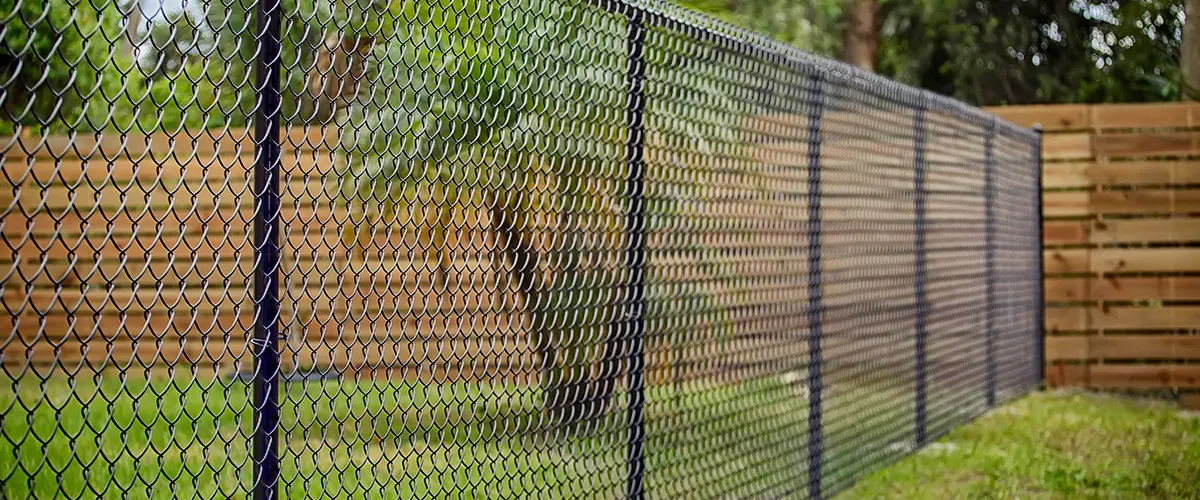
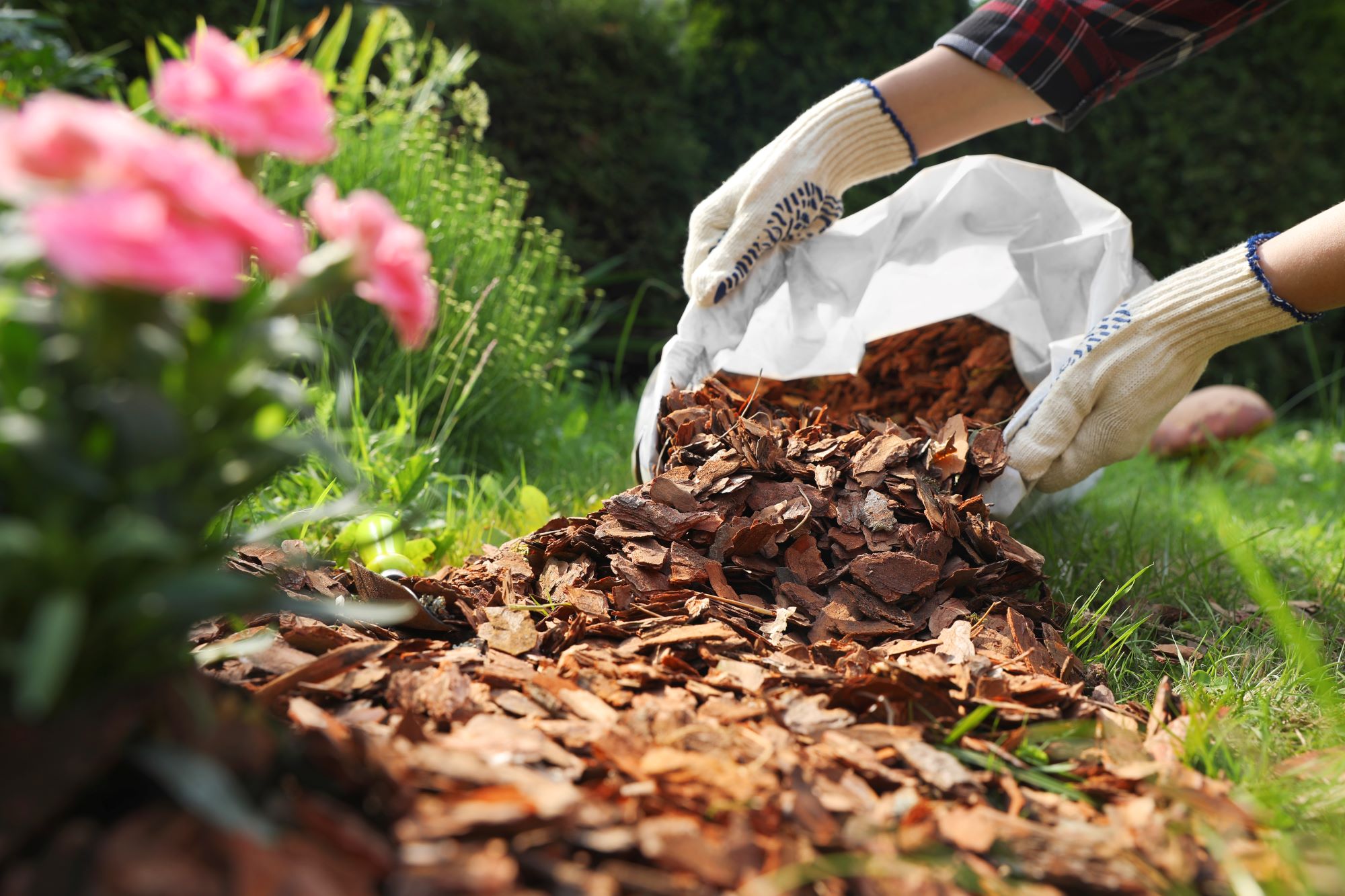
Picture this: a picturesque garden filled with blooming flowers, flourishing veggies, and happy little butterflies fluttering around. Now, imagine this garden is safely tucked behind a sturdy fence, shielded from pesky critters and prying eyes. Installing a fence around your garden isn’t just about adding a touch of charm; it’s a garden guardian that offers a plethora of benefits. Let’s dive into the wonderful world of garden fencing and explore why it’s a must-have addition to your green oasis.

Section 1: Protection from Unwanted Guests

A fence around your garden is like a loyal knight guarding the castle. It creates a protective barrier that keeps unwelcome visitors at bay. Those curious rabbits eyeing your tender lettuce? No chance! Your fence will discourage them from nibbling on your precious greens. Moreover, it acts as a fortress against marauding deer, mischievous raccoons, and other garden pests. With a sturdy fence in place, your garden remains an exclusive retreat for your beloved plants, undisturbed by furry intruders.

Section 2: Enhancing Privacy and Security

Who doesn’t love a little privacy in their garden sanctuary? A fence not only shields your garden from wildlife but also provides a sense of seclusion from prying eyes. Whether you’re enjoying a cup of tea on your patio or playing with the kids, a garden fence offers that extra peace of mind.

Moreover, a fence can add an extra layer of security to your property. It serves as a deterrent for potential intruders, making it more challenging for them … Read More

In our fast-paced world, the concept of a sanctuary has never been more vital. It’s more than just a house; it’s a living, breathing space that nurtures our well-being, a personal haven where we can disconnect from the chaos and reconnect with ourselves. This sanctuary is a holistic entity, an elegant dance between the comfort of our indoor spaces and the wild, curated beauty of our gardens. They are two halves of a whole, each one enriching the other. The art of cultivating this environment is an investment in our own peace and happiness, and it often begins from the ground up, with foundational choices that marry beauty with profound benefits—like the thoughtful application of mini pine bark nuggets.

The Garden: An Outdoor Room That Breathes Life In

Think of your garden not as a separate, external area, but as the most vital room of your home. It’s a space without a ceiling, where the decor changes with the seasons and the air is filled with the subtle perfume of earth and blossoms. This seamless transition from indoors to outdoors is the heart of biophilic design, a philosophy built on our innate human need to connect with nature. When we blur these lines, our living space expands, our stress recedes, and our senses awaken.

A thriving garden invites us to slow down. It’s the quiet satisfaction of watching a bee drift from flower to flower, the gentle rustle of leaves in the breeze, and the feeling of cool earth … Read More