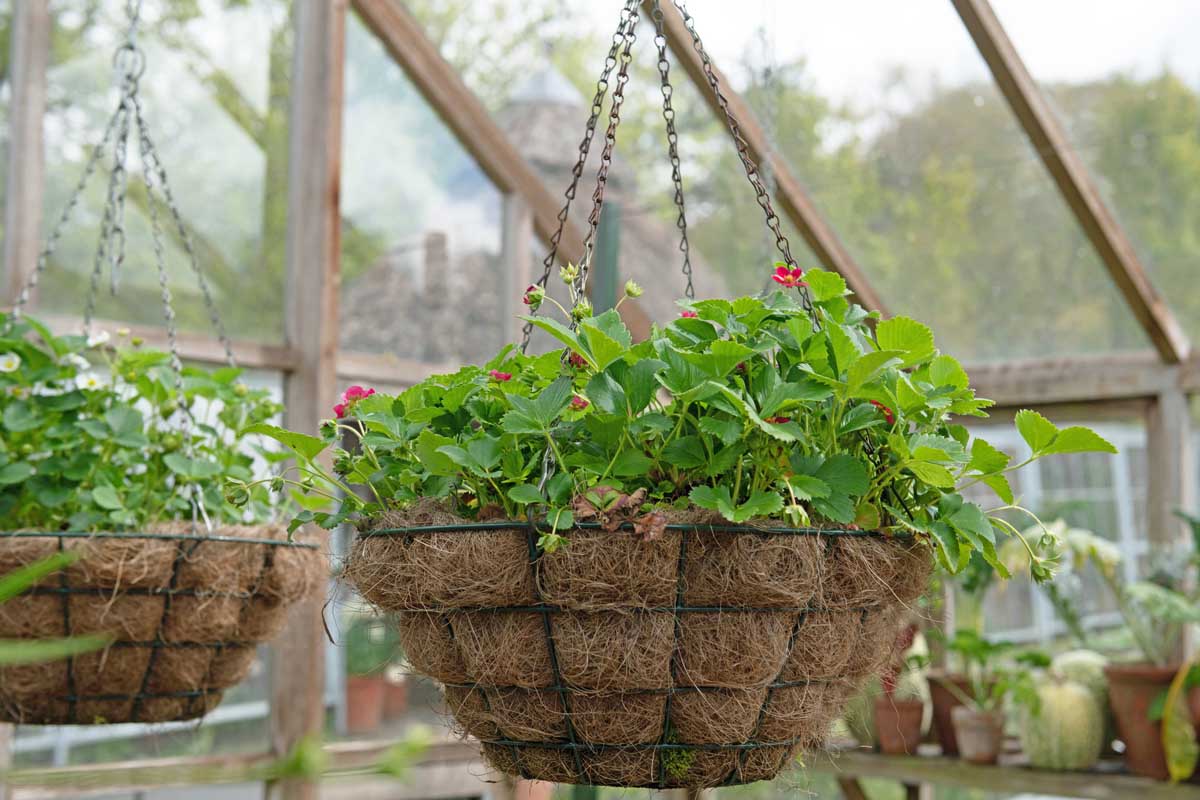
Coconut Peat: The Sustainable Alternative to Traditional Peat
Gardening enthusiasts and farmers alike have long relied on peat as a soil amendment. Peat is a type of soil that is formed by the accumulation of partially decomposed organic matter in waterlogged environments. It is highly valued for its ability to retain moisture and provide nutrients to plants. However, the extraction of peat from wetlands can have serious environmental consequences, including the destruction of habitats and the release of carbon dioxide into the atmosphere. As a result, many people are turning to coconut peat, also known as cocopeat or coir peat, as a sustainable alternative to traditional peat.
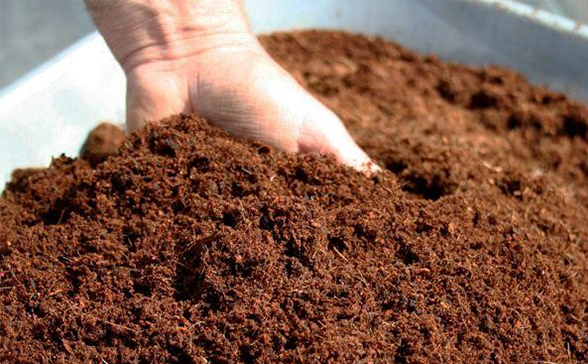
What is Coconut Peat?
Coconut peat is a byproduct of the coconut industry. It is made from the fibrous material found between the hard, internal shell and the outer coat of a coconut. This fibrous material is known as coir, and it is a renewable resource that is produced in large quantities in tropical countries like India, Sri Lanka, and the Philippines. Coir is traditionally used to make ropes, mats, and other products, but it can also be processed into a soil amendment known as coconut peat or coir pith.
How is Coconut Peat Made?
The process of making coconut peat begins with the collection of coconuts. The outer husk is removed, and the hard, internal shell is cracked open to reveal the white, fibrous material inside. This material is then washed, dried, and processed to remove any impurities. The resulting product is a fine, brown powder that is rich in … Read More