
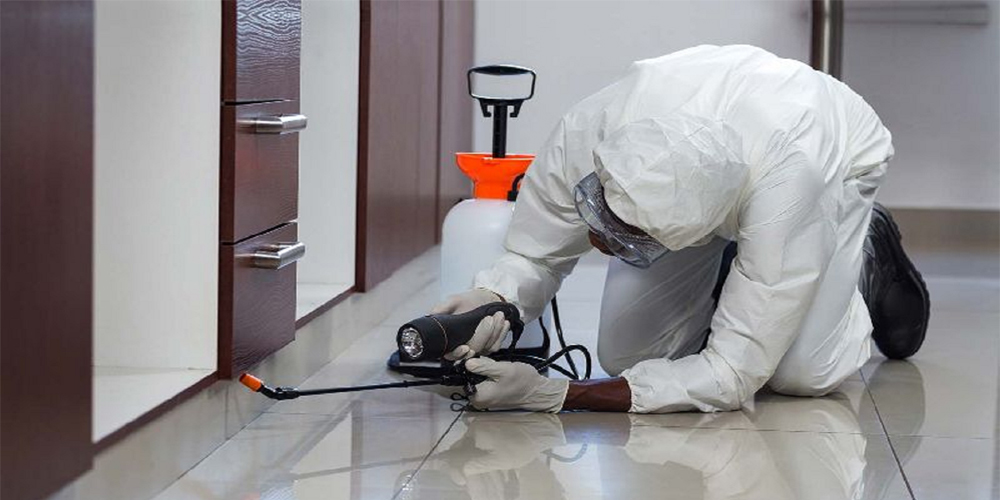
Homeowners mistakenly presume that termites cannot survive the hot & dry weather in Phoenix, and that is a big myth. Irrigation systems and monsoon rain usually provide adequate moisture for varied pests, including termites. Homes in lush surroundings in Arcadia & Ahwatukee have regular infestations, while Central Phoenix & Roosevelt District have older properties prone to termites due to aging structures. Termite activity peaks here in late spring and continues through summer, peaking in June. Rainfall and evening humidity during the monsoon ensure populations thrive easily.
Phoenix termite control services, like Green Mango, offer totally customized treatment plans for property owners here. The team at Green Mango includes local city technicians and exterminators who are aware of common neighborhood concerns. Before you schedule an inspection, here are some aspects to know about termite infestations.
Infestations at a Glance
The typical species found in Arizona is the subterranean termite, which lives in soil and often builds mud tubes to reach wood. These pests can damage entire wooden structures, and homes that have older structures, irrigated lawns, and crawl spaces, especially in established Phoenix areas, are at a higher risk. Drywood termites are less common and infest dry wood (true to their name). Most residents don’t realize they have drywood termites when they buy secondhand furniture. Why do termites infest homes? Despite the dry weather and extreme heat in Phoenix, many properties have irrigation systems that generate soil moisture. Many areas have clay or loam soil, which further retains the moisture.
Early Termite Signs
The typical signs are mud tubes on walls, which termites use to travel. During spring and summer, you may find live termites near windows, and with changing weather, these pests leave discarded wings. Damage to wooden structures can cause paint blistering, and if the damage is extreme, the wood will sound hollow when knocked/tapped. Termites are known for their silent work, and whatever sound is produced goes unheard due to external noise. Termite activity goes unchecked in many homes, as homeowners fail to find early signs.
DIY Termite Treatments are Pointless
While that may sound like a harsh statement, DIY doesn’t work much. Firstly, infestations don’t vanish with termite sprays. The products you buy from local stores may kill a few pests, but colonies will continue to grow. Bait stations are available, but people don’t usually know how to place or monitor them. The heat in Phoenix often means that treatments and sprays wear off in a short time.
How Do Professionals Handle Termites?
Technicians always check foundations, exterior areas, and wooden structures to find the likely signs and colonies. They also identify zones prone to moisture and other problem areas that need attention. Thanks to years of experience, they can easily distinguish between subterranean and drywood termites, which helps plan treatment. The approach to tackling subterranean termites includes using soil barriers and other treatments around patios and foundations. Professionals also know the products that are best for the clay soil found in Phoenix.
As for the interiors, infested wooden structures are treated, and all gaps and access points are sealed to prevent further damage. Termite issues require more than one session, so you can expect the pest control teams to return after two or more weeks for further evaluation and to complete the treatment. A standard inspection is always included with regular treatments, which helps find and address new and lingering issues.
Takeaways
Termite-related damage can mean spending thousands of dollars on repairs. In comparison, inspections and timely intervention by experts cost a lot less. If you are working with an experienced pest control company in Phoenix, you can rely on them for a yearly contract, which will include spring checks and periodic assessments. Technicians will take immediate steps if they find any other signs.