

Designing a Beautiful Home: Where Function Meets Aesthetics
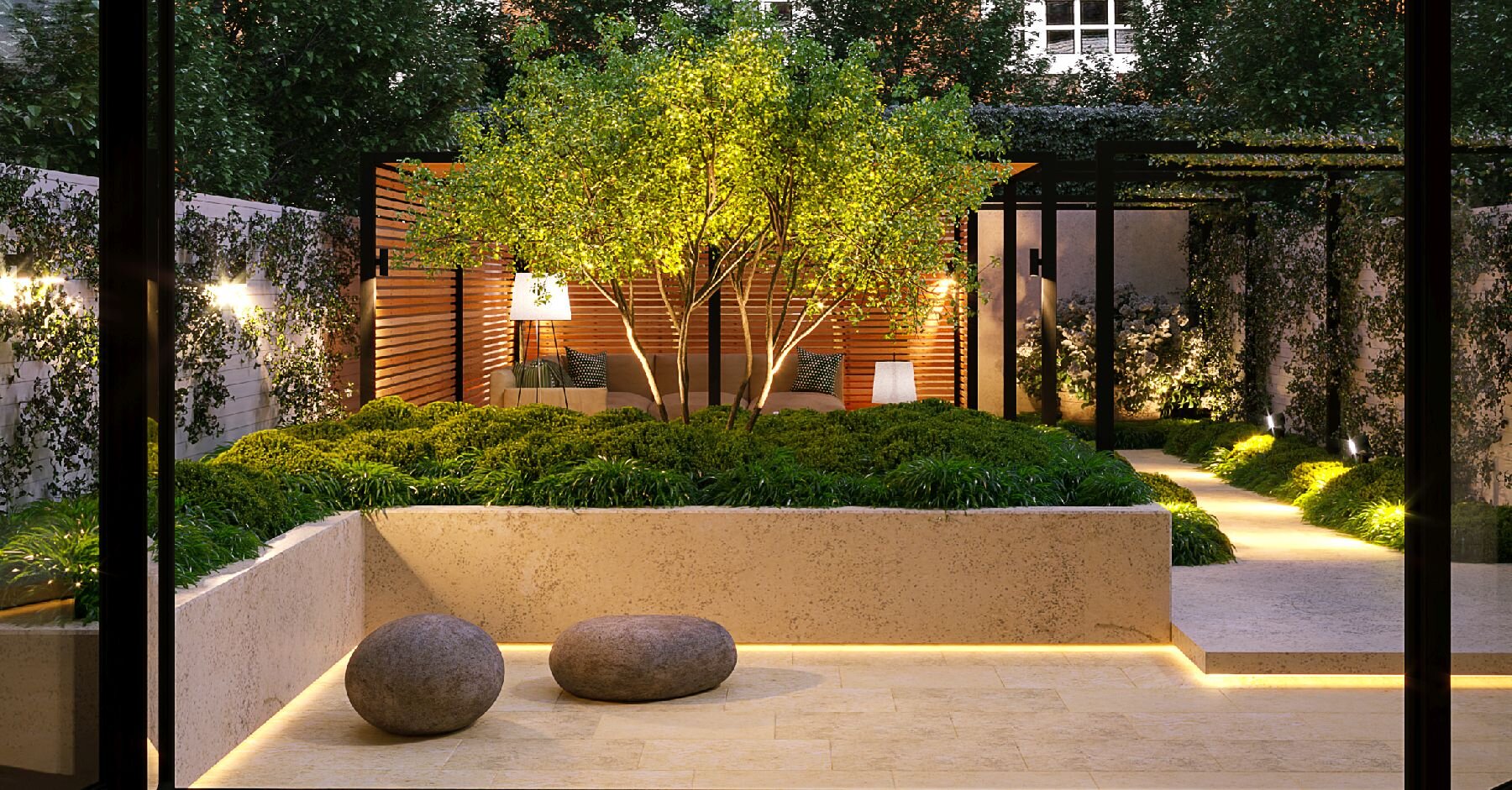
The Architecture of a Beautiful Home
A truly beautiful house starts with thoughtful architecture, blending form with functionality. The layout, room flow, and overall structure define how people move and live within the space. Open-concept designs, expansive windows, and high ceilings invite natural light and create an airy ambiance, while intimate nooks, curved staircases, and intricate moldings add character and charm. Every element of the architecture contributes to a home’s aesthetic and sense of livability, creating a balance between stunning design and practical comfort.
The Heart of the Home: The Garden
No home is complete without a connection to nature, and this is where garden design plays an essential role. A well-designed garden can elevate a house, making the outdoor space as beautiful as the indoor. Thoughtful planning of greenery, paths, and seating areas creates a space where residents can unwind and reconnect with the natural world. Gardens can range from minimalist designs with manicured lawns and geometric hedges to lush, wild spaces brimming with life. Each approach enhances the beauty of the home by integrating the serenity of nature into everyday living.
Interior Elegance: Balancing Style and Comfort
Inside a beautiful home, style and comfort coexist in perfect harmony. Each room is carefully curated to reflect a unique personality, while ensuring that functionality is never sacrificed. Rich textures, bold artwork, and statement furniture create an environment that is visually stunning yet inviting. Soft textiles, cozy seating areas, and a well-considered color palette bring warmth and relaxation into the space. … Read More
The Ultimate Guide to Window Bins, Planter Pots, and Gardening Accessories for a Beautiful Home Garden
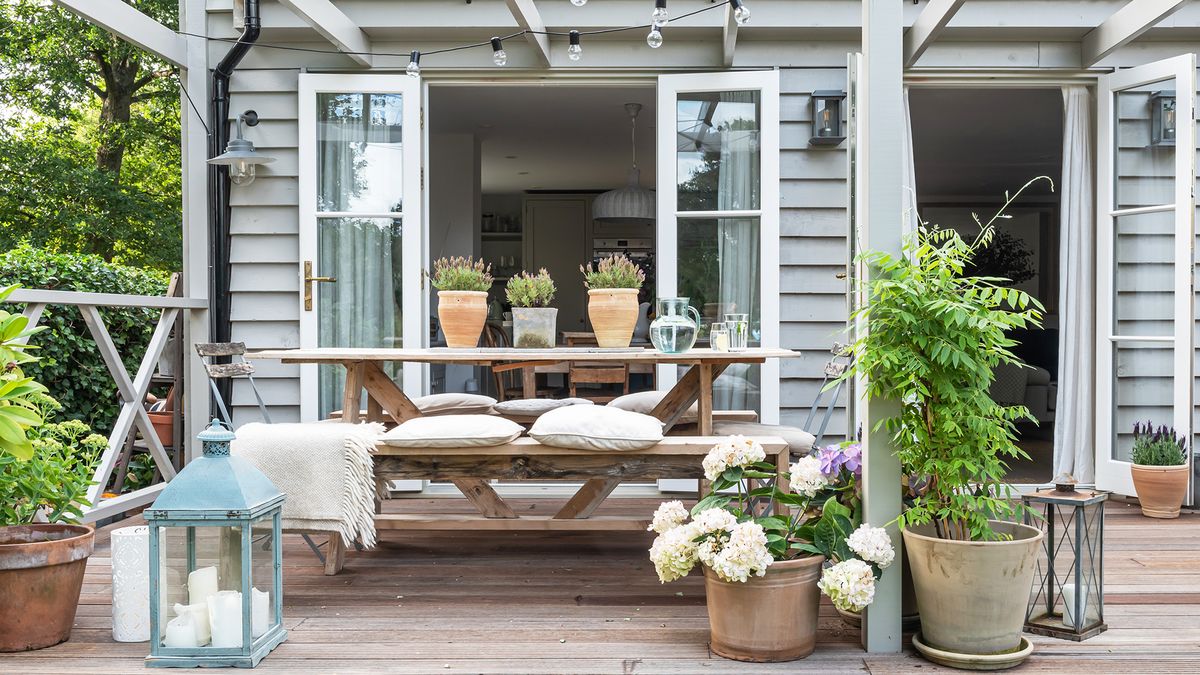
Creating a vibrant garden doesn’t always require a large backyard. With the right window bins, planter pots, and handy gardening accessories, anyone can transform a small space—balcony, window ledge, patio, or front porch—into a lush and colorful oasis. Whether you’re a beginner or a seasoned gardener, understanding how to choose the right containers and accessories can make your plants healthier and your garden more visually appealing.
In this guide, we’ll explore the benefits, types, and best uses for window bins, planter pots, and essential gardening tools to help elevate your home garden.
Why Window Bins and Planter Pots Matter
1. Perfect for Small Spaces
Window bins and planter pots are ideal for urban gardeners or homeowners with limited space. They allow you to grow flowers, herbs, and even vegetables along window ledges, balconies, and fences.
2. Better Plant Growth
Quality containers provide:
- Proper drainage
- Adequate root space
- Moisture retention
- Airflow for healthier roots
This ensures your plants thrive regardless of their size or placement.
3. Aesthetic Appeal
Window bins and planters come in various designs—from rustic wooden boxes to modern self-watering pots—helping you enhance your home’s exterior and interior decor.
Types of Window Bins & Planter Pots
1. Plastic Planters
Lightweight, durable, and affordable. Perfect for beginners and everyday gardening.
2. Ceramic Pots
Stylish and elegant. Great for indoor plants and decorative arrangements.
3. Wooden Window Boxes
Ideal for rustic or farmhouse themes. They offer natural insulation for plant roots.
4. Metal Window Bins
Modern and sturdy but best used … Read More