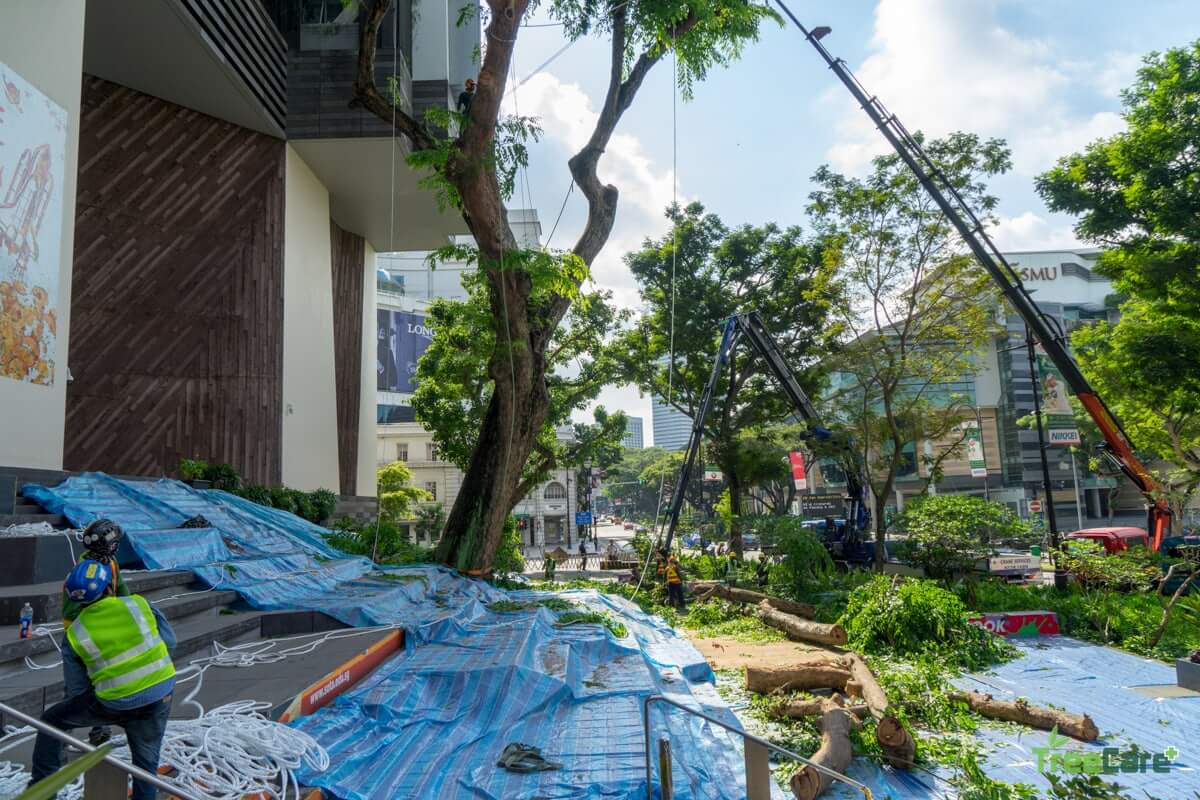
Singapore, often referred to as the Garden City, boasts a lush urban landscape adorned with a variety of trees and greenery. Yet, maintaining this pristine environment requires meticulous care, including tree cutting. In this article, we delve into the world of tree cutting in Singapore, exploring the tools and techniques employed, the invaluable benefits of professional tree cutting services, the significance of this practice, and the potential dangers that loom when tree cutting is not performed with precision.
The Tools of the Trade: Types of Tree Cutting Equipment

Chainsaws: Perhaps the most iconic of all tree cutting tools, chainsaws come in various sizes and are capable of felling, pruning, and limbing trees.

Hand Pruners: These handheld tools are ideal for trimming small branches, twigs, and foliage, providing precision in tree maintenance.

Loppers: Loppers are an extended version of hand pruners, equipped with long handles for reaching higher branches while providing enhanced cutting power.

Pole Saws: Designed for pruning high branches, pole saws consist of a saw blade attached to an extendable pole for safe and efficient cutting.

Wood Chippers: Once branches and limbs are removed, wood chippers transform the debris into mulch or wood chips for recycling.

Crane Trucks: For massive trees or those located in challenging positions, crane trucks are employed to safely hoist and remove sections of the tree.

The Benefits of Tree Cutting Services in Singapore

Safety: Professional tree cutting services ensure the safety of both property and individuals by eliminating hazardous branches and trees.

Health: Trimming … Read More
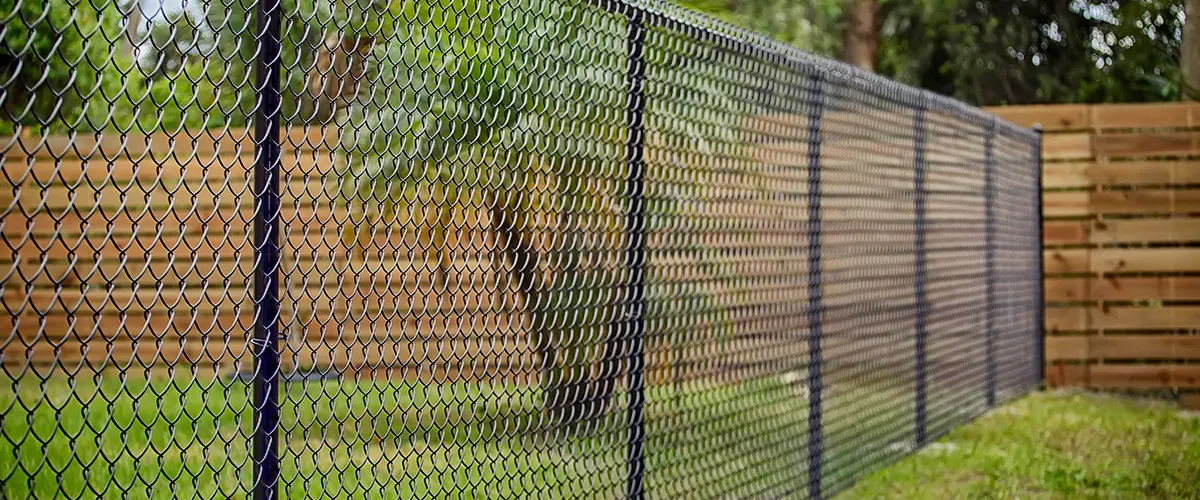
Picture this: a picturesque garden filled with blooming flowers, flourishing veggies, and happy little butterflies fluttering around. Now, imagine this garden is safely tucked behind a sturdy fence, shielded from pesky critters and prying eyes. Installing a fence around your garden isn’t just about adding a touch of charm; it’s a garden guardian that offers a plethora of benefits. Let’s dive into the wonderful world of garden fencing and explore why it’s a must-have addition to your green oasis.

Section 1: Protection from Unwanted Guests

A fence around your garden is like a loyal knight guarding the castle. It creates a protective barrier that keeps unwelcome visitors at bay. Those curious rabbits eyeing your tender lettuce? No chance! Your fence will discourage them from nibbling on your precious greens. Moreover, it acts as a fortress against marauding deer, mischievous raccoons, and other garden pests. With a sturdy fence in place, your garden remains an exclusive retreat for your beloved plants, undisturbed by furry intruders.

Section 2: Enhancing Privacy and Security

Who doesn’t love a little privacy in their garden sanctuary? A fence not only shields your garden from wildlife but also provides a sense of seclusion from prying eyes. Whether you’re enjoying a cup of tea on your patio or playing with the kids, a garden fence offers that extra peace of mind.

Moreover, a fence can add an extra layer of security to your property. It serves as a deterrent for potential intruders, making it more challenging for them … Read More

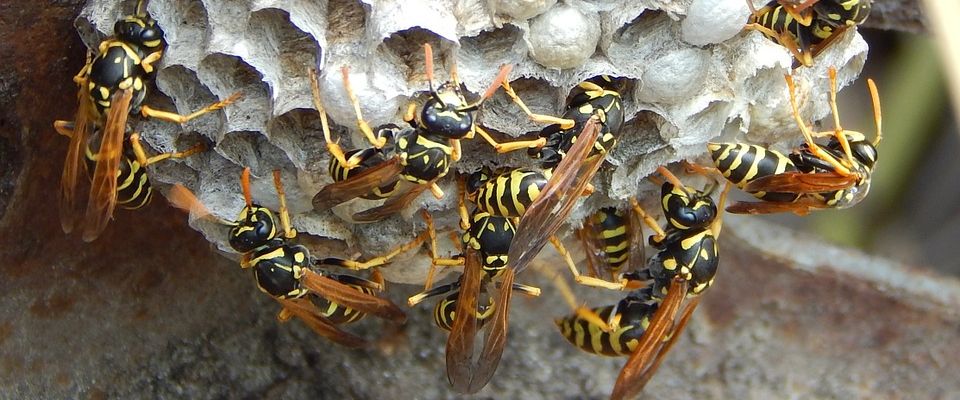
Even though wasps can aid your garden by consuming other unwanted insects, the presence of a nest nearby may present a risk to both you and your animals. Therefore, exercising extreme care while removing an infestation becomes crucial in order to guarantee safety and efficiency. This article outlines practical ways to safely remove nests from gardens using natural precautions for deterring future invasions, as well as tips for avoiding uncomfortable or large colonies, which may require professional extermination services instead.

Understanding Wasp Behaviour

Understanding wasp behaviour is crucial before attempting to remove their nest. Wasps are typically more active during the day and less so at night, making nighttime removals safer. However, it’s essential to be cautious, as they can become aggressive if they feel threatened by their home.

Steps for Safely Removing Wasp Nests

To discover the nest, diligently observe your garden during daylight hours. Wasps often construct their nests in trees, under eaves, or inside shrubs.

Selecting nighttime is crucial when removing a wasp nest, as these insects are less active and tend to remain within their abode. This ensures the right timing for such an activity.

Collect all essential gear and materials required for tool preparation, such as a sturdy ladder to reach high nests, the method you prefer for removal purposes, and a flashlight equipped with a red cellophane cover (recognised for its wasp-repellent properties).

Always wear protective gear, including head covering thick fabric garments to cover your hands and legs, and always wear closed shoes … Read More