
Home » Garden & Outdoor » Plant Selection Guide for Florida Landscapes: 10 Great Plants for Sunny Landscapes
Plant Selection Guide for Florida Landscapes: 10 Great Plants for Sunny Landscapes
Why Florida needs its own plant list
Florida gardening is its own world: intense sun, high humidity, sandy soil and a long growing season. Plants that thrive in cooler states often sulk or scorch here, while heat-lovers flourish. The ten plants below are proven performers for sunny Florida landscapes, from palms to flowering shrubs.
1. Sabal palm (cabbage palm)
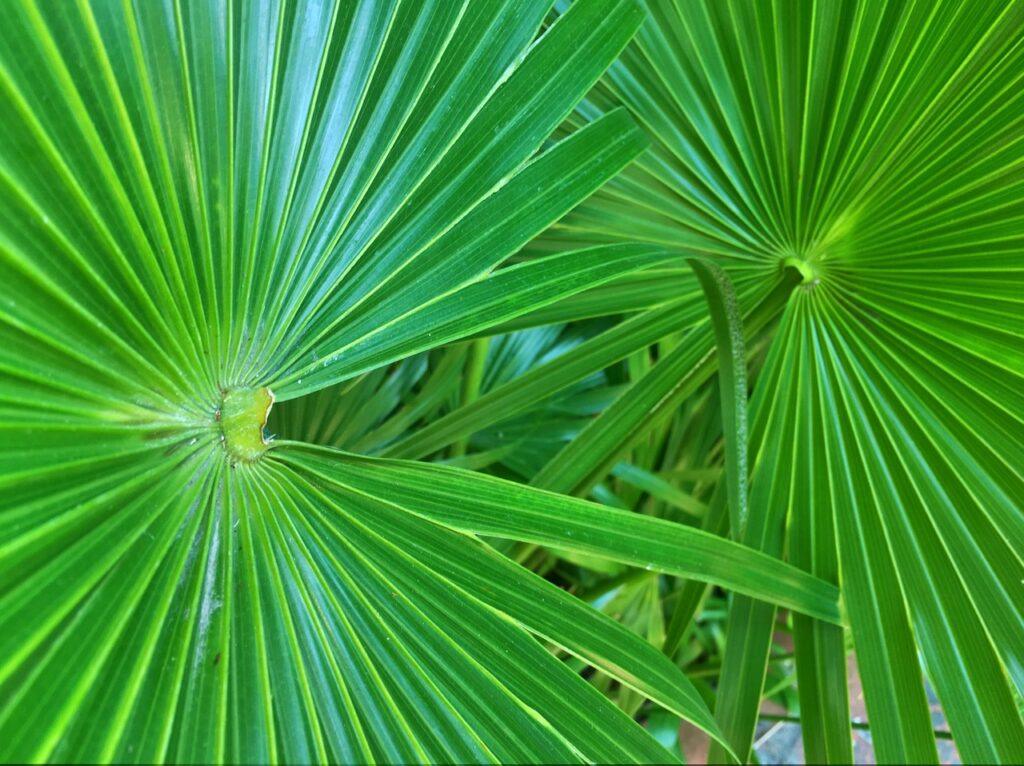
The state tree is tough, salt-tolerant and native. It handles full sun and drought once established, making it ideal for a low-maintenance backbone.
2. Firebush
A native shrub with orange-red tubular flowers that hummingbirds adore. It blooms through the hottest months and needs little care.
3. Bougainvillea
Explosive colour for walls, pergolas and pots. Give it full sun, sharp drainage and room to climb; it flowers best when slightly root-bound.
4. Coontie
A cycad that looks tropical but is surprisingly drought-tolerant. Excellent as a low border or accent plant in sun or part shade.
5. Lantana
Butterfly magnet and near-indestructible in heat. Use the native species rather than invasive varieties, and trim to keep it tidy.
6. Crown-of-thorns
Flowers almost year-round in sun and tolerates sandy soil. Handle with gloves because of the milky sap.
7. Blanket flower (gaillardia)
Red-and-yellow daisies that laugh at heat and poor soil. Perfect for a bright, water-wise border.
8. Muhly grass
Native ornamental grass with feathery pink plumes in autumn. Brilliant for mass planting and slopes.
9. Plumeria (frangipani)
Fragrant, tropical and easy in full sun with good drainage. Protect from frost in northern Florida.
10. Pentas
Star-shaped flowers in pink, red and white that bloom almost nonstop and draw butterflies all season.
Preparing the ground
Florida’s sandy soil drains fast and holds few nutrients. Mix in compost before planting, then mulch 5–7 cm deep to hold moisture. If you are seeding bare patches, our lawn seed calculator gives the right rate per 1,000 sq ft, and the grass seed guide explains why over-seeding wastes money.
Watering and mulching in the heat
Newly planted shrubs need steady water for the first season, then most of these plants survive on rainfall. A proper mulch layer is the single best water-saver in a Florida summer — size the job with our mulch calculator.
The takeaway
Plant for the climate you have, not the one you wish for. These ten sun-lovers will give colour and structure through Florida’s toughest months with far less water and fuss than thirsty exotics.
Planting and spacing the right way
Florida plants establish faster when planted in the cooler months, so aim for autumn or early spring rather than the height of summer. Dig a hole twice as wide as the root ball but no deeper than the pot, so the plant sits at the same level it grew. Backfill with native soil mixed with compost, firm gently and water deeply, then keep a wide ring of mulch a few centimetres clear of the trunk.
Spacing matters more than most gardeners expect. A shrub bought small will often double in width within a season, so allow for the mature size on the label. Crowding plants for instant effect leads to disease and constant pruning, while generous spacing lets each plant show its natural shape.
Watering through the first season
New plantings need steady water for the first six to twelve months, after which most of these species survive on rainfall alone once established. Water deeply two or three times a week rather than lightly every day — deep watering encourages roots to grow down, where the soil stays moist. Group thirsty plants together so you can water one zone efficiently.
Common mistakes in sunny landscapes
- Planting shade-lovers in full sun, causing scorched leaves.
- Skimping on mulch and losing water to evaporation.
- Over-watering drought-tolerant natives until roots rot.
- Choosing invasive species over native alternatives.
FAQ
When is the best time to plant in Florida? Autumn through early spring, avoiding the hottest weeks.
Do these plants need fertiliser? Natives usually need little; a light feed in spring is plenty for flowering shrubs.
How much mulch should I use? Five to seven centimetres, kept clear of stems and trunks.
Quick reference: sun and water needs
Use this as a shortcut when planning a bed. Full sun, low water: lantana, blanket flower, muhly grass. Full sun, moderate water: bougainvillea, plumeria, crown-of-thorns. Sun to part shade: firebush, pentas, coontie, sabal palm. Group plants with similar needs together so one watering schedule keeps them all happy, and you will spend far less time with the hose.