Designing a Florida-friendly landscape means choosing plants that thrive in full sun, resist drought, and complement the state’s warm, humid climate. With the right plant selection, you can create a vibrant, low-maintenance garden that supports local wildlife and withstands Florida’s unique weather conditions. Here are 10 fantastic plants perfect for sunny Florida landscapes.

1. Firebush (Hamelia patens)

A Florida native, Firebush produces bright red-orange tubular flowers that attract hummingbirds and butterflies. It’s drought-tolerant, heat-loving, and grows well in full sun.

2. Blanket Flower (Gaillardia pulchella)

This cheerful wildflower adds bursts of red and yellow to any garden. It thrives in sandy soils and requires minimal water once established.

3. Coontie (Zamia integrifolia)

Florida’s only native cycad, Coontie is a tough, sun-tolerant plant with palm-like foliage. It’s a host plant for the rare Atala butterfly and great for low-maintenance gardens.

4. Dwarf Yaupon Holly (Ilex vomitoria ‘Nana’)

A compact, evergreen shrub that forms neat mounds, Dwarf Yaupon Holly is ideal for sunny borders or hedges. It’s salt-tolerant and native to Florida.

5. Muhly Grass (Muhlenbergia capillaris)

This ornamental grass is known for its stunning pink-purple plumes in the fall. It’s low-maintenance, drought-tolerant, and provides texture and movement in the landscape.

6. Coreopsis (Coreopsis spp.)

Florida’s state wildflower, Coreopsis offers bright yellow blooms that last for months. It’s a magnet for pollinators and thrives in sunny spots.

7. Sea Grape (Coccoloba uvifera)

Perfect for coastal areas, this native … Read More
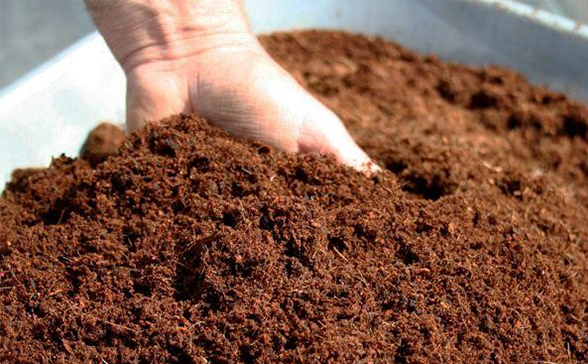
Gardening enthusiasts and farmers alike have long relied on peat as a soil amendment. Peat is a type of soil that is formed by the accumulation of partially decomposed organic matter in waterlogged environments. It is highly valued for its ability to retain moisture and provide nutrients to plants. However, the extraction of peat from wetlands can have serious environmental consequences, including the destruction of habitats and the release of carbon dioxide into the atmosphere. As a result, many people are turning to coconut peat, also known as cocopeat or coir peat, as a sustainable alternative to traditional peat.

What is Coconut Peat?

Coconut peat is a byproduct of the coconut industry. It is made from the fibrous material found between the hard, internal shell and the outer coat of a coconut. This fibrous material is known as coir, and it is a renewable resource that is produced in large quantities in tropical countries like India, Sri Lanka, and the Philippines. Coir is traditionally used to make ropes, mats, and other products, but it can also be processed into a soil amendment known as coconut peat or coir pith.

How is Coconut Peat Made?

The process of making coconut peat begins with the collection of coconuts. The outer husk is removed, and the hard, internal shell is cracked open to reveal the white, fibrous material inside. This material is then washed, dried, and processed to remove any impurities. The resulting product is a fine, brown powder that is rich in … Read More

Growing orchids is both an art and a science. These delicate flowers thrive when provided with the right care, environment, and most importantly—the right orchid growing medium. While many growers experiment with bark, moss, or synthetic options, one natural solution continues to stand out: coconut husk and its versatile byproducts.

Why Orchids Need the Right Growing Medium

Unlike many plants, orchids are epiphytes—they don’t grow in soil in their natural habitat. Instead, they cling to trees and absorb moisture and nutrients from the air and rain. This means the choice of medium is crucial for ensuring good drainage, proper aeration, and just the right amount of water retention.

That’s where coco husk or coco husk chips come into play. They offer the perfect balance, creating a breathable environment that prevents root rot while maintaining enough moisture to keep orchids healthy.

Coconut Husk Fiber for Plants: A Sustainable Solution

Gardeners worldwide are turning to coconut husk fiber for plants as an eco-friendly alternative to traditional materials. Sourced from the outer shell of coconuts, this medium is renewable, biodegradable, and highly effective.

Benefits of Coconut Husk for Orchids

  • Excellent Drainage: Prevents waterlogging while keeping roots moist.
  • Natural Aeration: Promotes healthy airflow to orchid roots.
  • Longevity: Coco husk chips break down slower than organic bark, lasting longer.
  • Eco-Friendly: A byproduct of coconuts that reduces waste.

Other Gardening Uses of Coconut Husk

While ideal for orchids, coconut husk is far more than just an orchid medium. Its versatility makes it a valuable addition … Read More